 Maslin
How Maslin Got Started
Maslin started because one of our founders spent a weekend trying to find a straight answer about a common health question and gave up after the fifth article that copied the same unsourced paragraph from somewhere else. Every site he opened repeated the same vague claims, none of them linked to anything he could check.
So we built something closer to a reference document than a magazine. Every article gets a named writer, a named reviewer, and a list of the guidance or research it is actually based on. Nothing goes live until someone other than the writer has read it and checked the sources.
We do not run adverts disguised as articles and we do not sell anything on this site. When we get something wrong, which happens, we correct it in the open and note what changed, because a health resource that quietly edits its mistakes is not one you can trust.

How We Define Our Standards
Written By One Team
The same small group of writers and editors works on every article, so tone and terminology stay consistent from piece to piece.
Sources Listed Openly
We link the NHS page, the study or the guideline behind a claim directly in the text instead of asking you to take our word for it.
Corrections Made Public
When we get something wrong, we fix it and add a short note at the bottom of the article explaining what changed and why.
Nothing Sold Here
This site has no products and no adverts disguised as articles, so a conclusion is never shaped by what we need to sell.
Reader Questions Shape Topics
Most new articles start from a question a reader actually sent in, not from what performs well in search.
Plain Language Glossary
Medical and nutrition terms are defined in plain words the first time they appear, with a link back to the glossary page.
How We Keep Standards Up
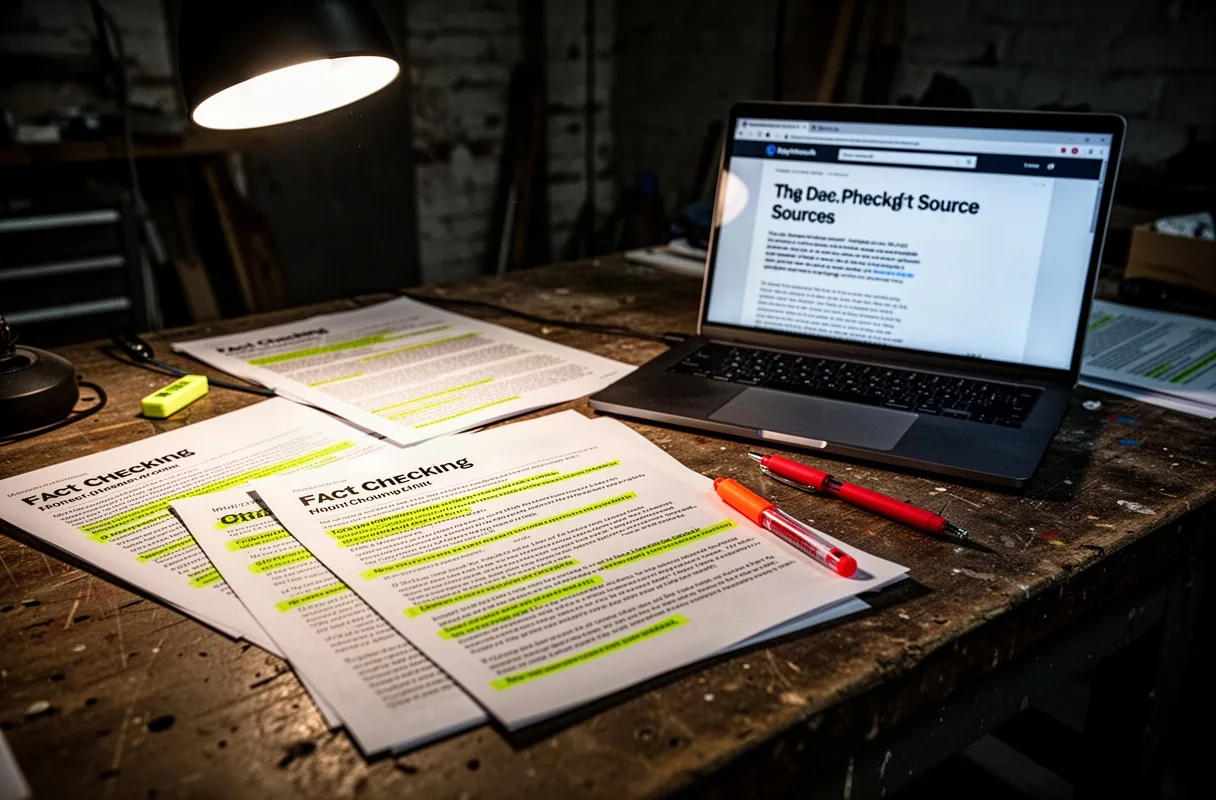
Every draft goes through a second reader who checks each factual claim against its source before anything is published. If a piece of guidance changes after an article goes live, we go back and update it rather than leaving the old version standing.
Source Everything
If a claim cannot be traced back to a named guideline or study, it does not go in the article. We link the source directly in the text.
Correct In The Open
Mistakes get fixed and logged with a short, dated note, not quietly edited away without explanation.
Write For One Reader
Every article is written as if it is answering one specific person's actual question, not aiming for a search ranking.