Learn what metrics like sleep score, REM percentage, and heart rate variability represent on a typical consumer sleep tracker, and which figures deserve attention versus which are noise. The article explains the calculation methods behind these numbers and their known margins of error.
This explainer defines sleep debt as an accumulated shortfall of sleep hours and distinguishes it from chronic fatigue, a persistent tiredness that does not resolve with extra sleep. It outlines the practical markers that separate the two conditions.
This checklist explains how meal timing relative to an evening workout affects recovery and covers the window in which protein intake matters most. It also lists common scheduling conflicts and how to work around them.
This explainer walks through each section of a standard nutrition label, from serving size to percent daily value, and shows how to compare two similar products accurately. It also flags common label wording that can mislead a quick reading.
This comparison lays out the practical differences between bodyweight training and resistance band training for a home setup, including cost, space, and progression options. It helps a reader match the equipment to their available time and goals.
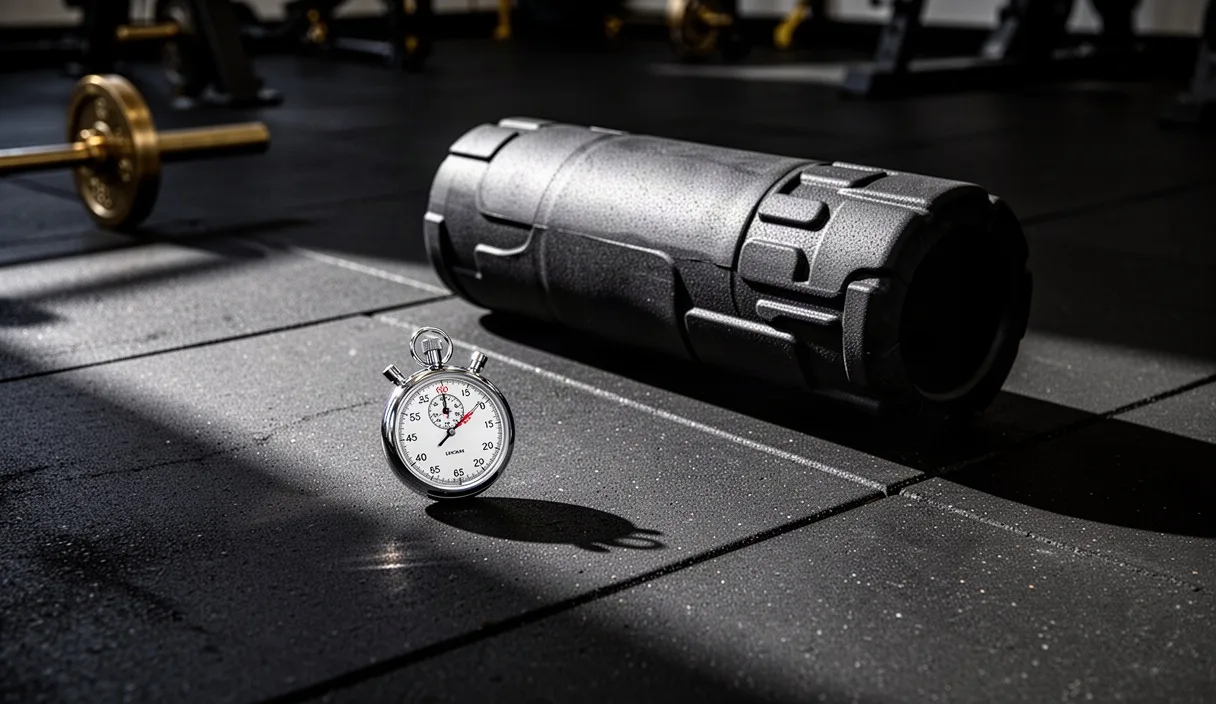
This how-to explains the components a warm-up needs to reduce injury risk during a short session and shows how to compress them into a defined time budget. It includes a sample sequence with time allocations for each part.
This explainer outlines commonly recommended screenings for men grouped by decade of life, based on general guideline categories rather than personal risk assessment. It clarifies which screenings depend on family history or other individual factors.
Answer 4 foundational questions about sleep, activity, nutrition, and recovery to evaluate your personal Wellness Index and get tailored evidence-checked reading recommendations.
Question 1 of 4Sleep & Recovery
1. How would you rate your typical sleep duration and waking energy?
2. What does your current weekly physical exercise look like?
3. How consistent is your daily nutrition and protein refueling?
4. How effectively do you decompress from weekly work demands?
85
Solid Lifestyle Foundation
You maintain balanced habits across key recovery pillars. To optimize further, review our evidence-backed guides below.
This comparison lays out the practical differences between bodyweight training and resistance band training for a home setup, including cost, space, and progression options. It helps a reader match the equipment to their available time and goals.
This how-to explains the components a warm-up needs to reduce injury risk during a short session and shows how to compress them into a defined time budget. It includes a sample sequence with time allocations for each part.
We choose what to cover based on the questions readers actually send us, and nothing goes up until a second person has checked the sources.
Who writes here
Rachel WhitfieldSenior Health Editor
Tom AshcroftFact-Check and Standards Lead
Send Us a Message
Send a question, a topic request, or a correction to an existing article, and note which piece you are referring to if applicable.
Send us a message
Working hours
Mon-Fri 08:30-17:45, Sat 09:30-14:00
Expected response time
Response within one business day
Medical & Editorial Disclaimer
The health and wellness guidance published on Maslin is for educational and informational purposes only. Content is not intended to be a substitute for professional medical advice, clinical diagnosis, or treatment. Always seek the advice of your GP or another qualified health provider with any questions you may have regarding a medical condition.
Privacy & Cookie Preferences
We use cookies to run the site securely, remember your preferences and measure usage anonymously. See our Cookie Policy and Privacy Policy.
Cookie Consent & Privacy Preferences
Choose which cookies you allow. Essential cookies are required for the site to work securely.
Strictly Necessary & SecurityAlways Active
Security, form protection and your cookie choice. Cannot be switched off.
Anonymized visitor insights (Google Analytics 4) to continuously refine navigation speed and usability.
Helps us show relevant product recommendations and understand customer interest in products.
 Maslin