 Maslin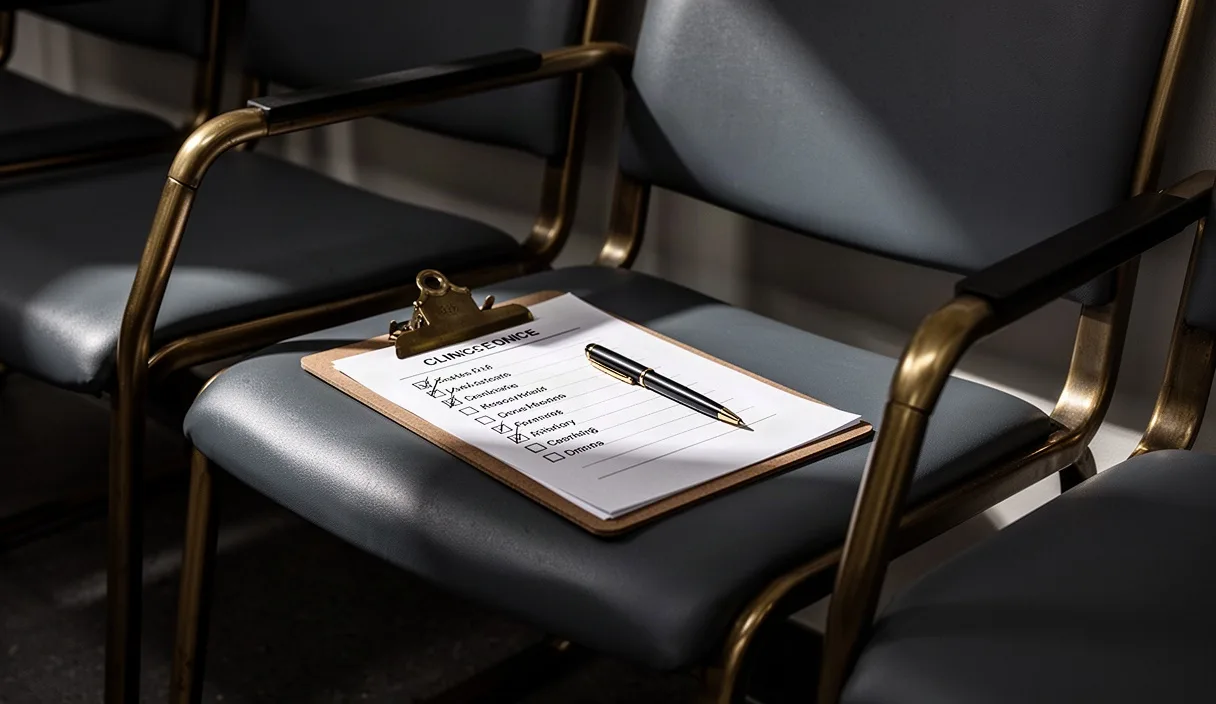

An annual physical is only as useful as the information brought into the room. A clinician working from a blank slate, or from a patient's vague recollection of "some pills for blood pressure," can only do so much in a twenty-minute visit. Preparing beforehand, gathering records, writing down symptoms, confirming logistics, turns that limited window into something closer to a thorough review.
This checklist walks through what to collect, what to write down, and what to ask before and during a routine physical exam. It does not replace guidance from a physician or the specific instructions given by a clinic ahead of an appointment; those instructions take precedence over any general list.
Gathering Medication and Supplement Information
Most clinics ask for a current medication list at intake, but "current" is doing a lot of work in that sentence. A list is only accurate if it reflects what is actually being taken, at what dose, and how often, not what was originally prescribed six months ago. Dosages get adjusted, pills get split in half, and refills sometimes get skipped without anyone updating a chart.
The list should include prescription medications, over-the-counter drugs taken regularly (such as daily aspirin or antihistamines), and supplements or herbal products. Supplements matter more than most people assume: St. John's Wort, for example, can interact with a range of prescription drugs, and high-dose fish oil can affect bleeding risk before a procedure.
- Name of each medication or supplement, including brand and generic if known
- Dose and how often it is taken (e.g., "10 mg, once daily in the morning")
- How long it has been taken, even approximately ("about 8 months")
- Any side effects noticed, even mild ones
- Whether the prescription came from this clinic or elsewhere
If a pharmacy printout is available, bringing it is often faster and more reliable than reconstructing the list from memory. Anyone who has changed pharmacies recently should note that, since records may be split across two systems.
Updating Family Medical History
Family history is typically collected once, at an early visit, and then left untouched for years. That is a gap worth closing before an annual physical, since new diagnoses in parents or siblings, a father's heart attack at 58, a sibling's Type 2 metabolic balance diagnosis at 40, can change screening recommendations.
The relevant categories are usually first-degree relatives (parents, siblings, children) and, to a lesser extent, second-degree relatives (grandparents, aunts, uncles). Conditions worth noting specifically include heart disease, stroke, metabolic balance, cellular vitality (with type and age of diagnosis), and any hereditary conditions such as colon polyps diagnosed before age 50.
| Relative | Condition | Age at Diagnosis |
|---|---|---|
| Mother | Type 2 metabolic balance | 52 |
| Father | Heart attack | 58 |
| Sibling | Colon polyps | 44 |
A table like this, even sketched on paper, gives a clinician something concrete to act on rather than a vague "there's some metabolic balance in the family." Age at diagnosis matters because earlier onset generally shifts screening timelines earlier as well, a point a physician can explain based on current guidelines.
Listing New or Ongoing Symptoms
It is common to forget minor complaints once sitting in an exam room, especially ones that come and go. Writing symptoms down beforehand, even briefly, prevents the common experience of remembering "the thing I wanted to ask about" in the car afterward.
Useful entries include when the symptom started, how often it occurs, what makes it better or worse, and whether it has changed over time. A symptom log does not need to be elaborate:
- "Lower back pain, started about 3 weeks ago, worse after sitting more than an hour, no injury I can recall"
- "Occasional heart palpitations, maybe twice a week, usually in the evening, lasting under a minute"
- "Fatigue most afternoons for the past 2 months, not clearly linked to sleep"
Symptoms that seem unrelated to each other are still worth listing together; a clinician may see a connection that isn't obvious from the patient's side. This is also the place to mention changes in weight, sleep, appetite, or mood, since these are frequently left out unless directly asked about.
Confirming Fasting or Preparation Instructions
Not every annual physical requires fasting bloodwork, but many include a lipid panel or glucose test that does. Standard fasting instructions usually call for 8 to 12 hours without food, though water is typically permitted. Instructions vary by clinic and by the specific tests ordered, so confirming directly with the office, rather than assuming, avoids a wasted trip or a rescheduled draw.
Some medications need to be taken with food regardless of fasting status; patients on these should ask the clinic how to handle that specific conflict rather than guessing. metabolic balance patients on insulin or other glucose-lowering medications should get explicit instructions, since standard fasting advice may not apply safely to them.
Common prep questions to confirm with the clinic
- Is fasting required, and for how long?
- Should medications be taken as usual on the morning of the visit?
- Is a urine sample needed, and should it be collected at home or on-site?
- Are there restrictions on caffeine, alcohol, or exercise beforehand?
- Should a list of current medications be brought in written form?
Calling the office a day or two ahead, rather than the morning of, gives enough time to adjust plans if fasting is required and wasn't expected.
What a Standard Physical Typically Includes
The content of an annual physical varies by age, sex, and individual risk factors, but a baseline set of components is common across most adult visits. Knowing what to expect makes the appointment feel less unpredictable and helps flag if something usually included seems to have been skipped.
- Vital signs: blood pressure, heart rate, respiratory rate, temperature, and often weight and height (used to calculate BMI)
- Physical exam: listening to heart and lungs, checking abdomen, reflexes, and skin
- Bloodwork: often includes a complete blood count, metabolic panel, and lipid panel, though this depends on age and history
- Screenings based on age and sex: such as mammograms, Pap smears, wellness balance-specific antigen testing, or colon cellular vitality screening starting around age 45 per current guidelines from several major health organizations
- Vaccination review: checking whether flu, tetanus, or other vaccines are due
Not every visit includes all of these; a 28-year-old with no risk factors will typically have a shorter list than a 55-year-old with a family history of heart disease. Asking directly, "what does today's visit cover?" at the start of the appointment sets clear expectations and avoids assuming a test was done when it wasn't.
Questions Worth Bringing to the Visit
A short written list of questions prevents the common problem of forgetting them once the visit starts moving through its usual steps. Questions do not need to be limited to symptoms; they can cover screening schedules, medication adjustments, or general risk factors.
- "Based on my results today, is there anything that needs a follow-up test?"
- "Am I due for any screenings I haven't had, given my age and family history?"
- "Is this medication still the right dose, or has anything changed that would affect it?"
- "What should I watch for between now and next year's visit?"
It helps to prioritize the list, since not every question may get addressed if time runs short. Putting the most important one first, rather than last, increases the odds it actually gets answered.
Common Mistakes
A few patterns show up repeatedly and are worth naming directly. Skipping the fasting instructions and eating breakfast out of habit is one of the most common, often resulting in a rescheduled blood draw. Bringing an outdated medication list, one that no longer reflects a recent dose change, is another, since it can lead to inaccurate interaction checks.
Underreporting symptoms because they seem minor, "it's probably nothing," is a frequent issue that removes information a clinician might otherwise use. Similarly, forgetting to mention supplements on the assumption that only prescription drugs count leaves out details that can matter for interactions or lab result interpretation.
A Pre-Visit Checklist Summary
Pulling the sections above into a single reference makes the morning of the appointment less rushed.
- Written list of current medications and supplements, with doses and frequency
- Updated family history, including any new diagnoses since the last visit
- Notes on new or ongoing symptoms, with dates and patterns
- Confirmation of fasting or other prep instructions, called in ahead of time
- A short list of prioritized questions for the physician
- Insurance card, ID, and any referral paperwork if required by the clinic
None of this guarantees a particular outcome from the visit, and any specific concerns about symptoms, medications, or screening timing should be directed to a physician or the clinic staff directly rather than resolved from a general checklist. What preparation does reliably do is make the available time in the appointment go further, turning a rushed recap into an actual review.